
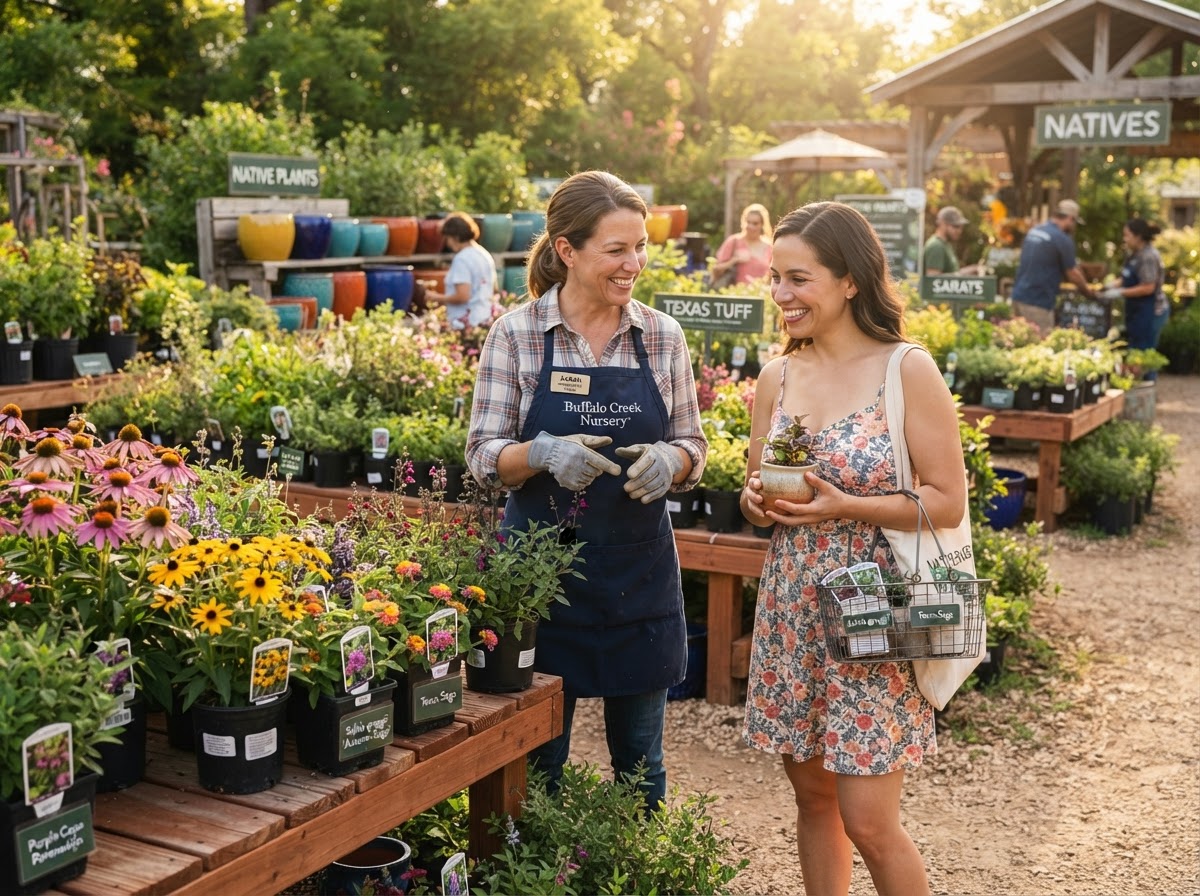
Perennial Plants in Buchanan Dam, TX
Discover beautiful flowering perennials, colorful foliage plants, and garden favorites at Sam's Nursery & Landscaping. Explore perennial options for Texas Hill Country gardens with helpful local planting guidance.
Beautiful Perennials for Texas Hill Country Gardens
Discover flowering and foliage perennials that bring returning color, texture, and seasonal interest to gardens. Explore plants for sunny beds, shaded spaces, borders, and pollinator-friendly landscapes suited to Central Texas conditions.
 Shade & Moisture
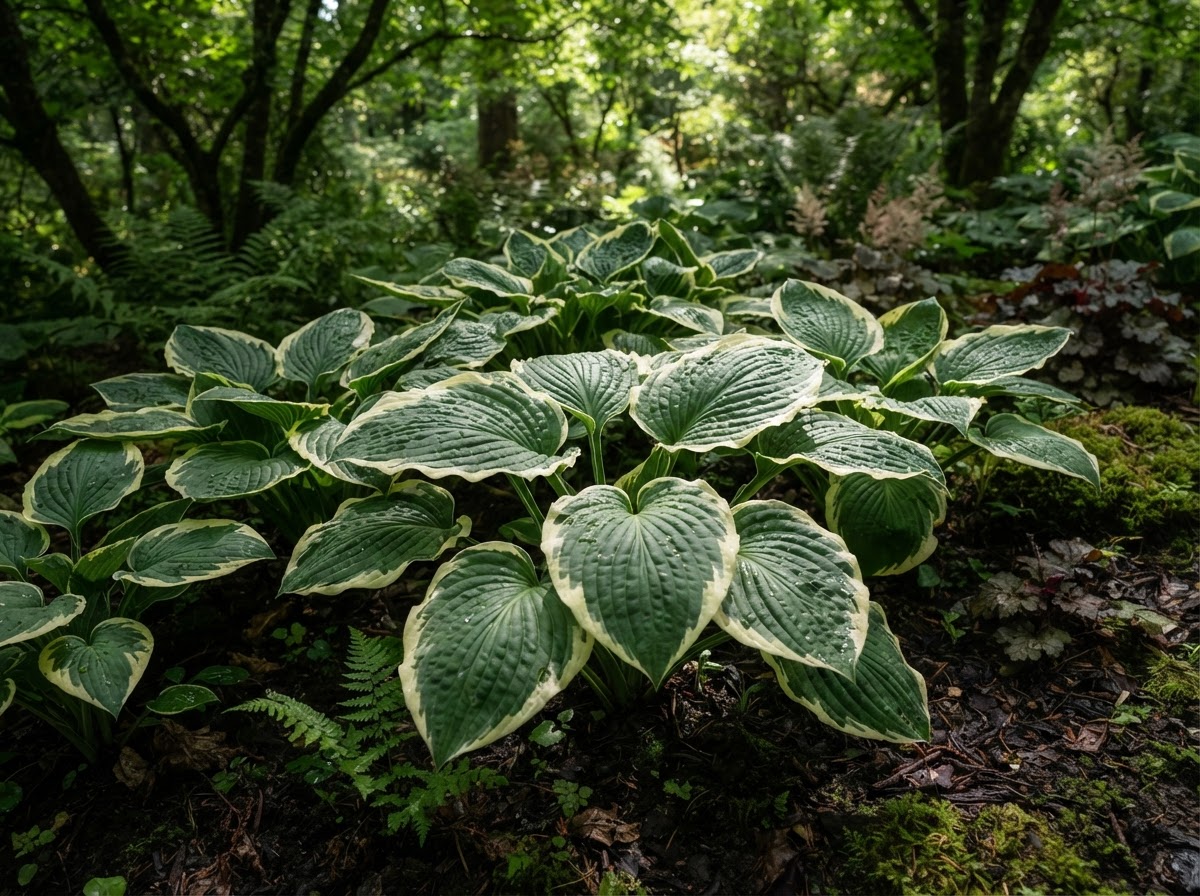
Hostas
Needs shade & moisture in Central Texas
Hostas are prized for lush, broad foliage that brings texture and calm to shaded beds and borders. In the Texas Hill Country they need substantial shade, rich moist soil, and protection from intense afternoon heat to thrive. Their summer bell-shaped bloom spikes attract hummingbirds, but most gardeners grow them for the dramatic leaves. Slug pressure and summer scorch are real challenges here.
 Sharp Drainage
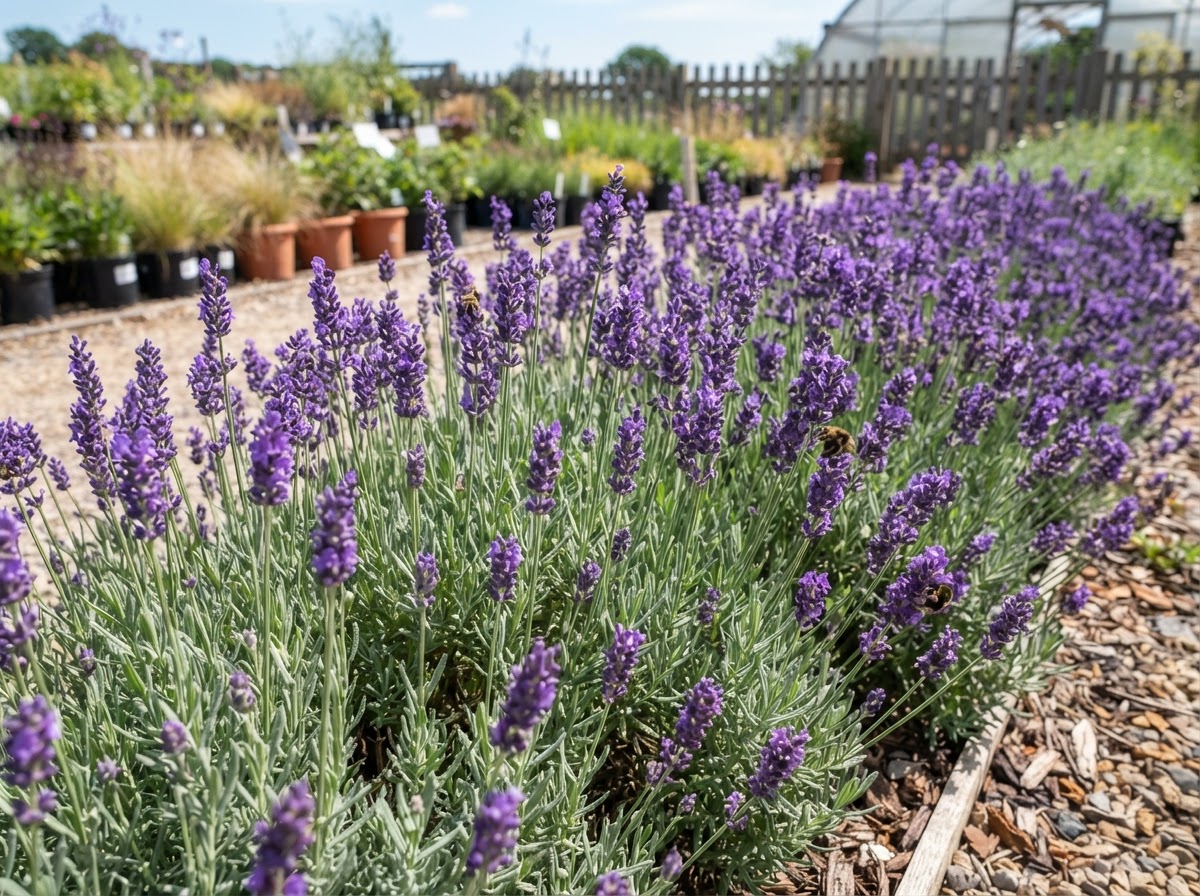
Lavender
Best with excellent drainage
Lavender brings silvery foliage and fragrant purple spikes to sunny, well-drained borders and herb gardens. It thrives in the alkaline, limestone-influenced soils common across the Hill Country, provided drainage is excellent and air circulates freely. Heat- and drought-tolerant once established, it resents wet feet in winter. Choose varieties suited to Southern humidity for the best long-term performance.
 Hill Country Hardy
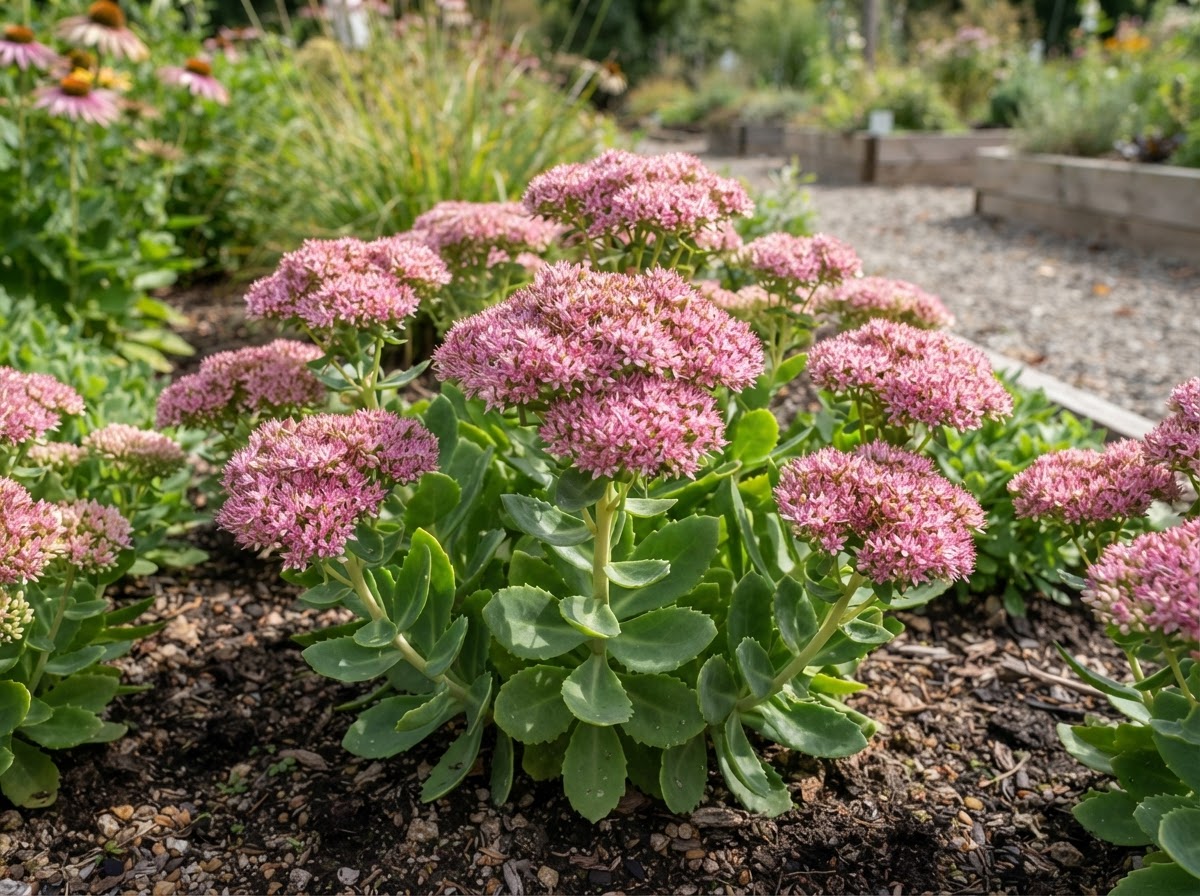
Sedum (Stonecrop)
Thrives in Hill Country heat & sun
Sedum offers fleshy, drought-tough foliage and late-season clusters of starry flowers that hold strong when summer peaks. Low-growing types edge beds and trail from containers; upright stonecrops add late-summer structure and fall interest. Most tolerate Hill Country heat beautifully with full sun and sharp drainage. Late blooms are a magnet for bees and butterflies preparing for fall.
 Hill Country Hardy
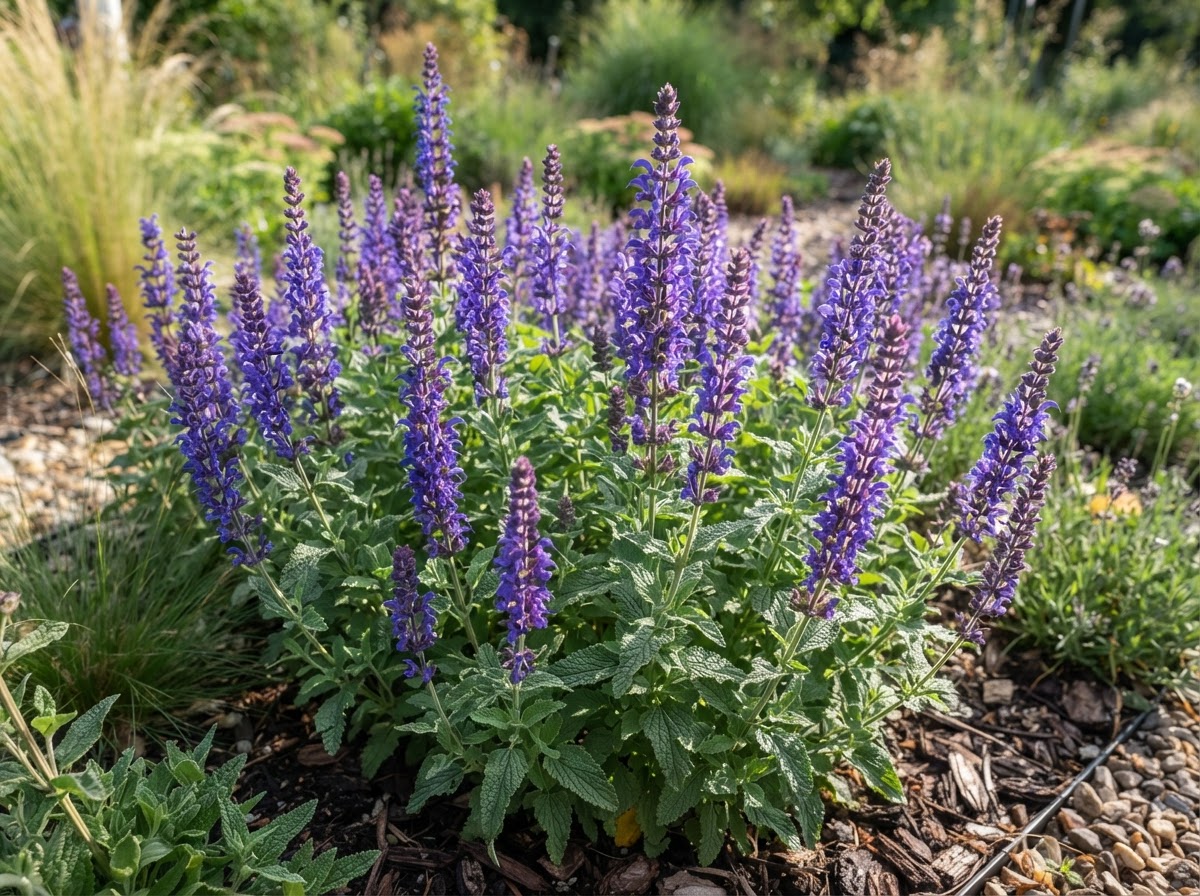
Salvia
Thrives in Hill Country heat & sun
Salvia delivers spires of vivid blue, purple, pink, or red flowers over aromatic gray-green foliage from spring into fall. Many perennial salvias are exceptionally heat- and drought-tolerant, thriving in full sun and well-drained Hill Country soils. Requirements vary by species, so pick one suited to your site. Few perennials attract hummingbirds, bees, and butterflies as reliably as these.
 Hill Country Hardy
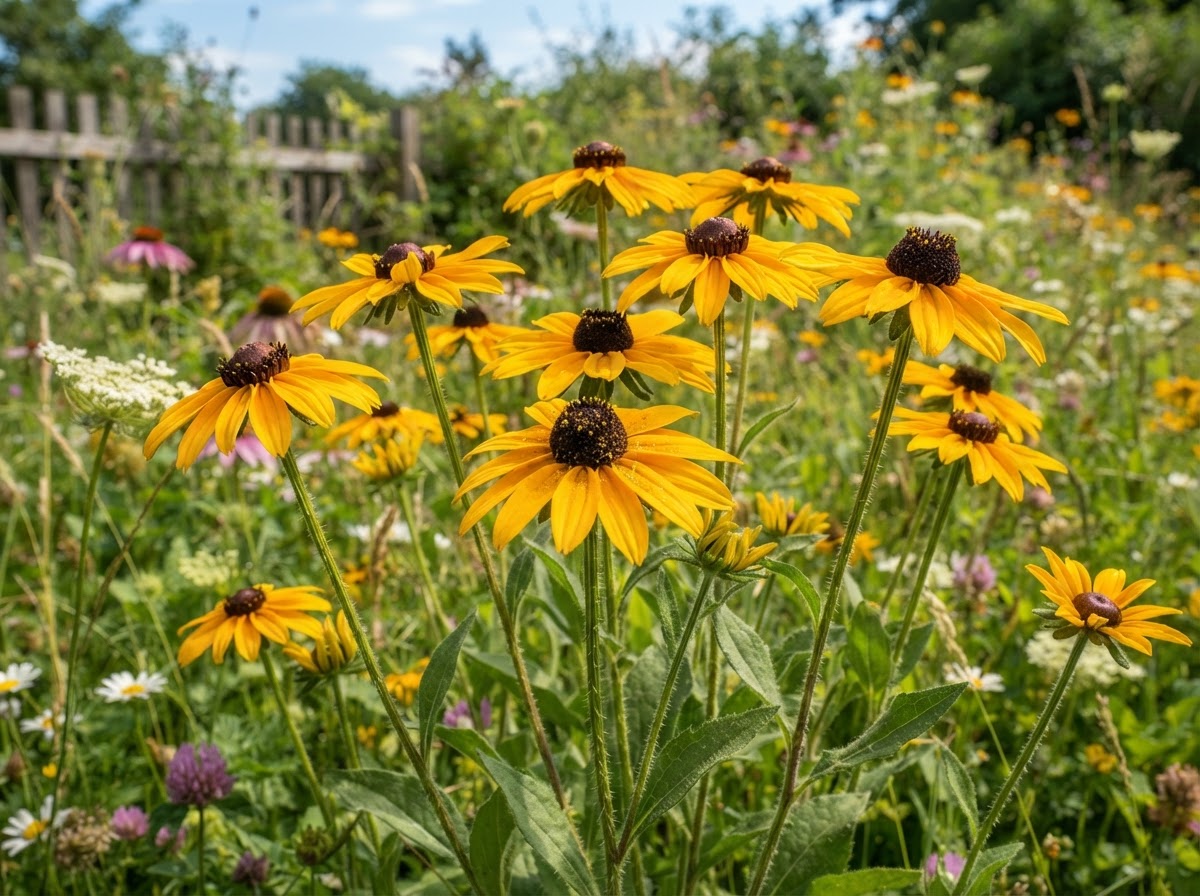
Black-Eyed Susans
Thrives in Hill Country heat & sun
Black-Eyed Susans light up the summer garden with golden daisy petals around dark, buttonlike cone centers. Tough, heat-loving, and drought-tolerant once established, they flourish in full sun and adapt to a range of Hill Country soils. Blooms feed bees and butterflies, and the seedheads that follow draw goldfinches. They naturalize gently where conditions suit them.
 Hill Country Hardy
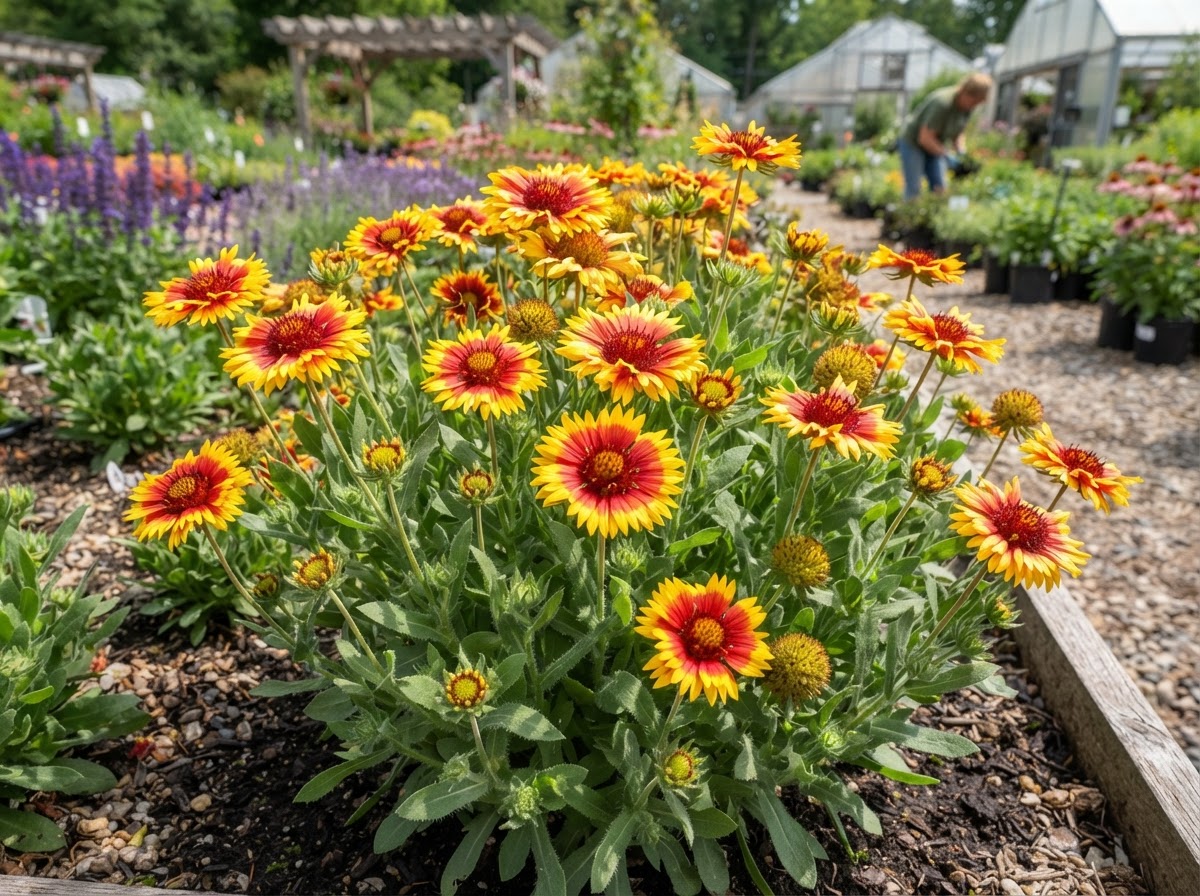
Gaillardia (Blanket Flower)
Thrives in Hill Country heat & sun
Gaillardia blankets sunny beds with bold red-and-yellow daisy blooms that laugh off Texas heat and drought. It flowers almost nonstop from early summer into fall on lean, well-drained soil and asks little else of the gardener. Butterflies and bees flock to the nectar-rich blooms. Cut back spent stems occasionally to keep the display full and fresh through the season.
 Hill Country Hardy
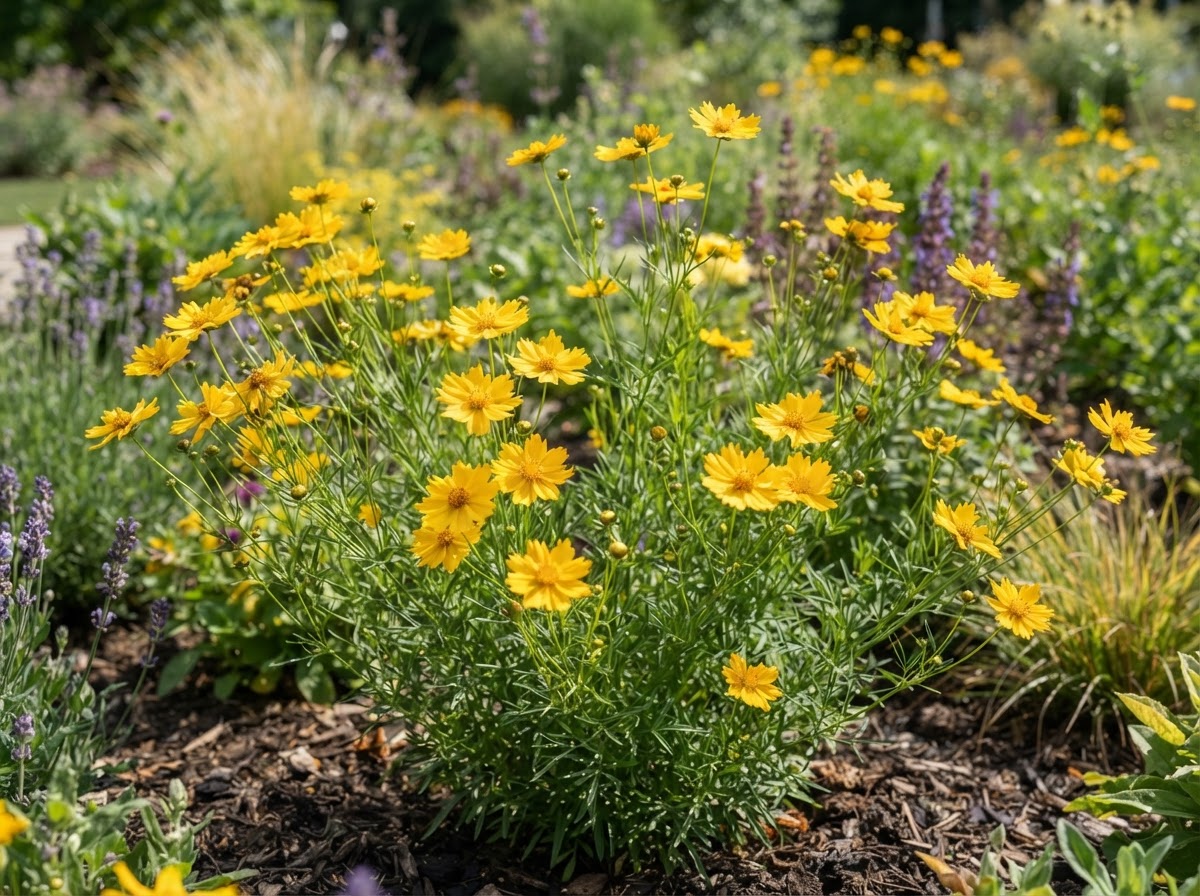
Coreopsis
Thrives in Hill Country heat & sun
Coreopsis, or tickseed, covers itself in cheerful golden-yellow daisy flowers on airy stems from spring into summer. It handles Hill Country heat and drought with ease and thrives in full sun and well-drained soil. A light shearing after the first flush reblooms later in the season. Bees and butterflies work the blooms, and deer often pass it by.
 Sharp Drainage
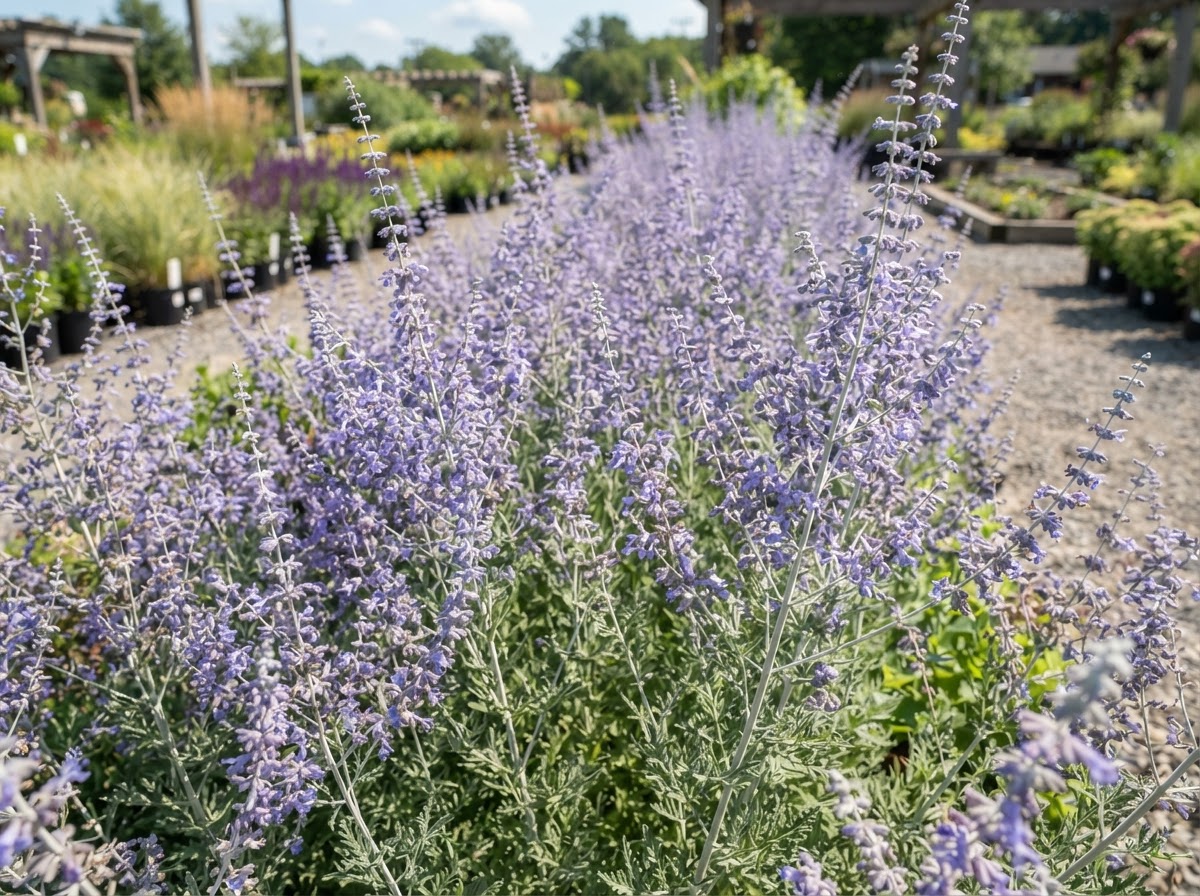
Russian Sage
Best with excellent drainage
Russian Sage creates a misty cloud of lavender-blue flowers above silvery, aromatic stems from summer into fall. It loves full sun, excellent drainage, and the alkaline soils of the Texas Hill Country — soggy winter roots are its downfall. Once established it is highly drought-tolerant and deer-resistant. Its airy habit pairs beautifully with coneflowers, rudbeckia, and ornamental grasses.
 Hill Country Hardy
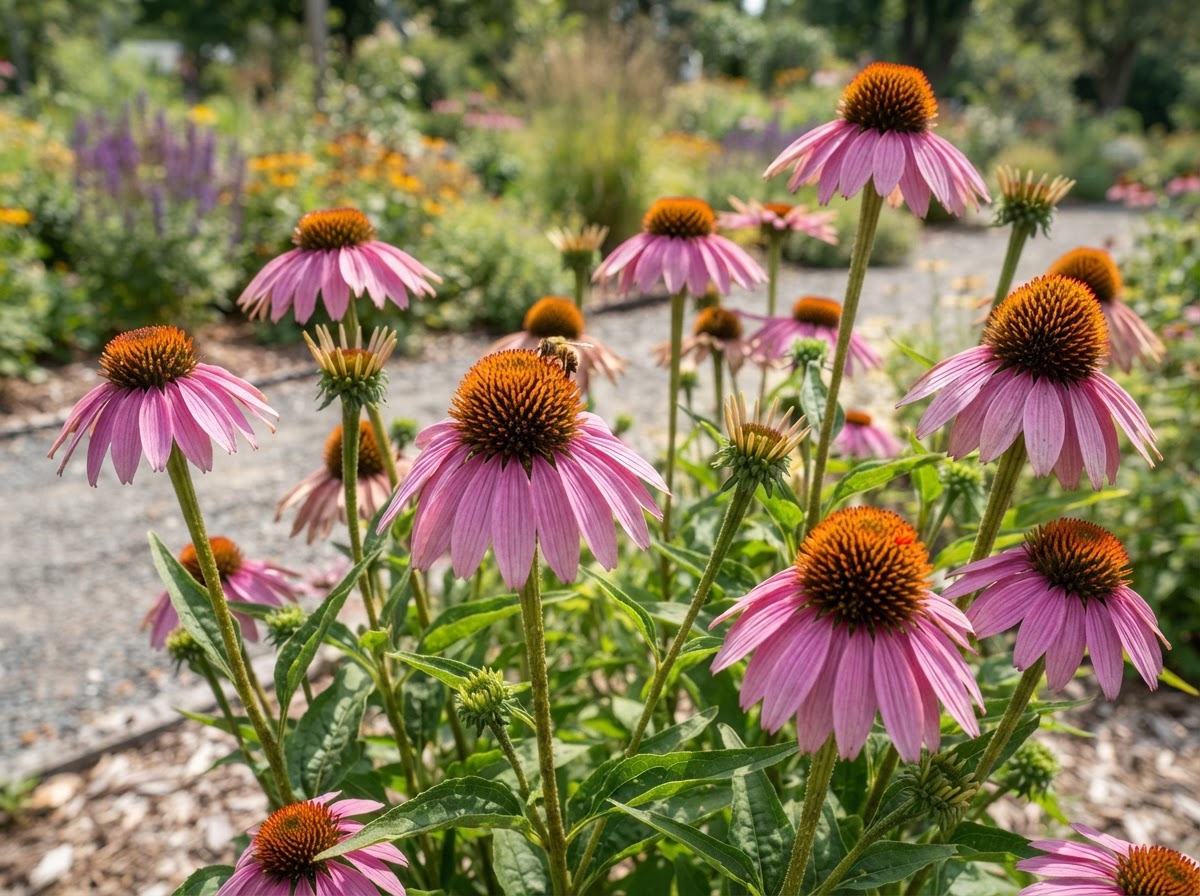
Coneflowers (Echinacea)
Thrives in Hill Country heat & sun
Purple coneflowers anchor the Texas Hill Country perennial border with bold, drooping pinkish-purple petals around bristly orange cones. Heat- and drought-tolerant, they thrive in full sun and well-drained soil and bloom prolifically from summer into fall. Butterflies cover the blooms, and goldfinches visit the seedheads that follow. Modern varieties add white, orange, and red to the classic palette.
 Hill Country Hardy
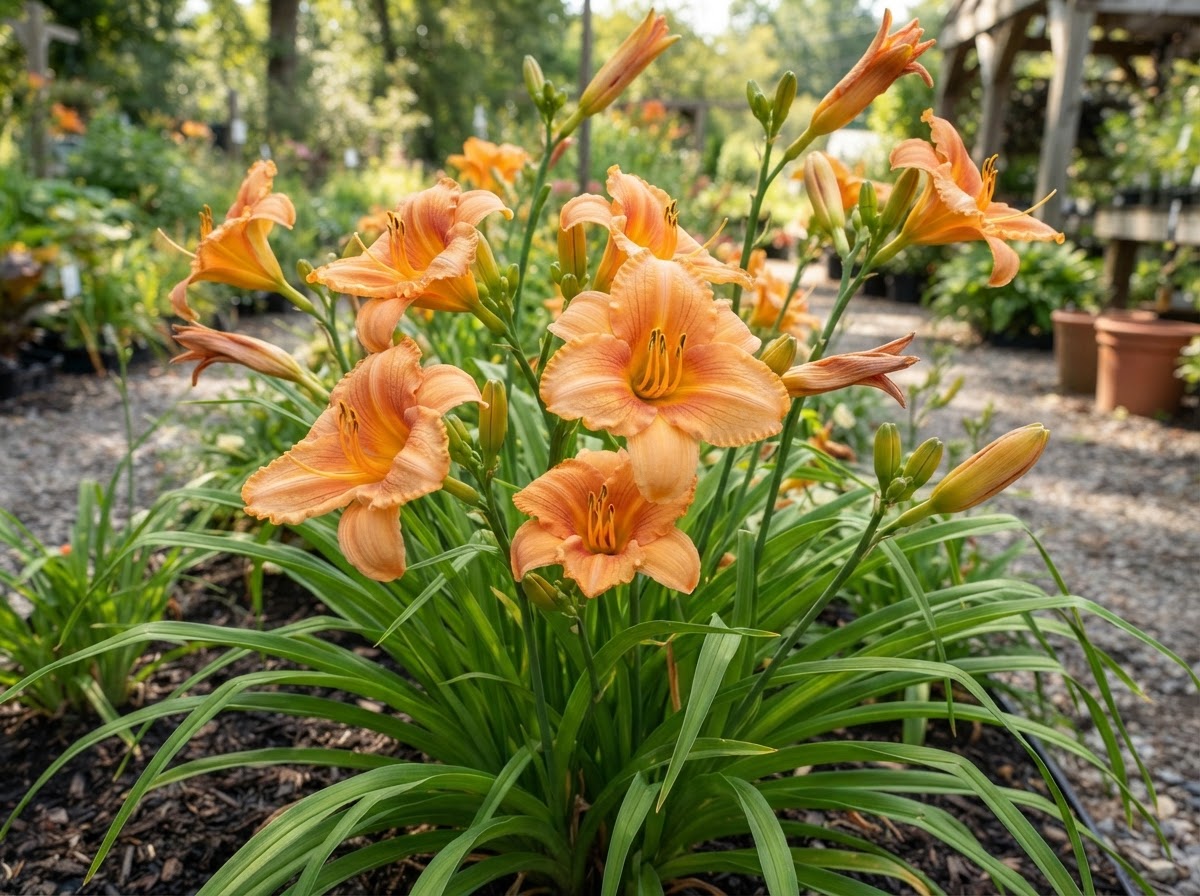
Daylilies
Thrives in Hill Country heat & sun
Daylilies offer trumpet-shaped blooms in nearly every warm color atop arching, strap-like foliage. Tough and adaptable, they perform in full sun to part shade, though performance depends on variety, irrigation, and site. In the Hill Country, reblooming types extend the show if given consistent moisture. Each bloom lasts just a day, but buds open in succession for weeks of color.
Perennial varieties, sizes, and availability change seasonally. Contact Sam's Nursery & Landscaping in Buchanan Dam for current selections.
Beautiful Gardens Begin with the Right Perennials
Perennials can bring returning color, texture, and seasonal interest to your landscape. Choosing plants suited to your sunlight, soil, drainage, and Central Texas climate helps create a healthier garden around Buchanan Dam and across the Texas Hill Country.
Sunlight & Garden Placement
Full sun, part shade, and afternoon shade each suit different perennials. Matching a plant to its preferred exposure is the first step to reliable, returning color in the Hill Country.
Soil & Drainage
Thin, rocky, limestone-influenced soils drain quickly and lean alkaline. Good drainage matters more than heavy amendments — and some perennials need sharper drainage than others.
Bloom Seasons & Garden Color
Combining spring, summer, and fall flowering perennials spreads color across the whole season, so one planting keeps interest going long after a single flush has faded.
Watering & Maintenance
Establishment watering, light deadheading, seasonal cutting back, and mulch keep perennials tidy and blooming — with less watering once roots settle in.
Growing Healthy Perennials in the Texas Hill Country
From summer heat and rocky soils to occasional winter freezes, Central Texas presents unique gardening challenges. Understanding these conditions helps gardeners select and care for perennial plants around Buchanan Dam, Burnet County, and across the Hill Country.
When to Plant Perennials
Fall and spring are often the easiest seasons to plant perennials in the Texas Hill Country. Mild temperatures and steadier moisture let roots settle before summer heat arrives, while spring planting gives a full first season of bloom. Container-grown perennials can be planted through much of the year with careful watering — the ideal window simply shifts with each species and the weather in a given season.
Fall planting gives most perennials a long, gentle runway. While top growth slows in cooler weather, roots keep extending into warm soil, so the plant is better anchored and better hydrated before the first hot days of spring. Early spring is a second good window, though new plantings then face summer heat sooner and need closer watering.
Species and weather both play a role. Heat-tolerant perennials like salvia, Russian sage, and daylilies forgive a wider planting window, while thirstier plants such as hostas establish best with cooler temperatures and consistent moisture. Our nursery team can help you time a planting to the perennial you choose and the conditions at your property.
Preparing Hill Country Soil
Much of the Hill Country sits on thin, rocky, limestone-influenced soil that drains quickly and leans alkaline. Good planting starts with a wide, shallow hole — never deeper than the root ball — loosening the surrounding soil, and setting the perennial at the same depth it grew in the container. Heavy soil amendments in the backfill are not always helpful; roots do best when they grow out into native soil.
The most common planting mistake is planting too deep. Set the root ball slightly above grade in slow-draining or rocky clay so water doesn't pool at the crown, and slope soil away from the base. Loosening a wide ring of native soil around the hole encourages roots to spread outward rather than circling.
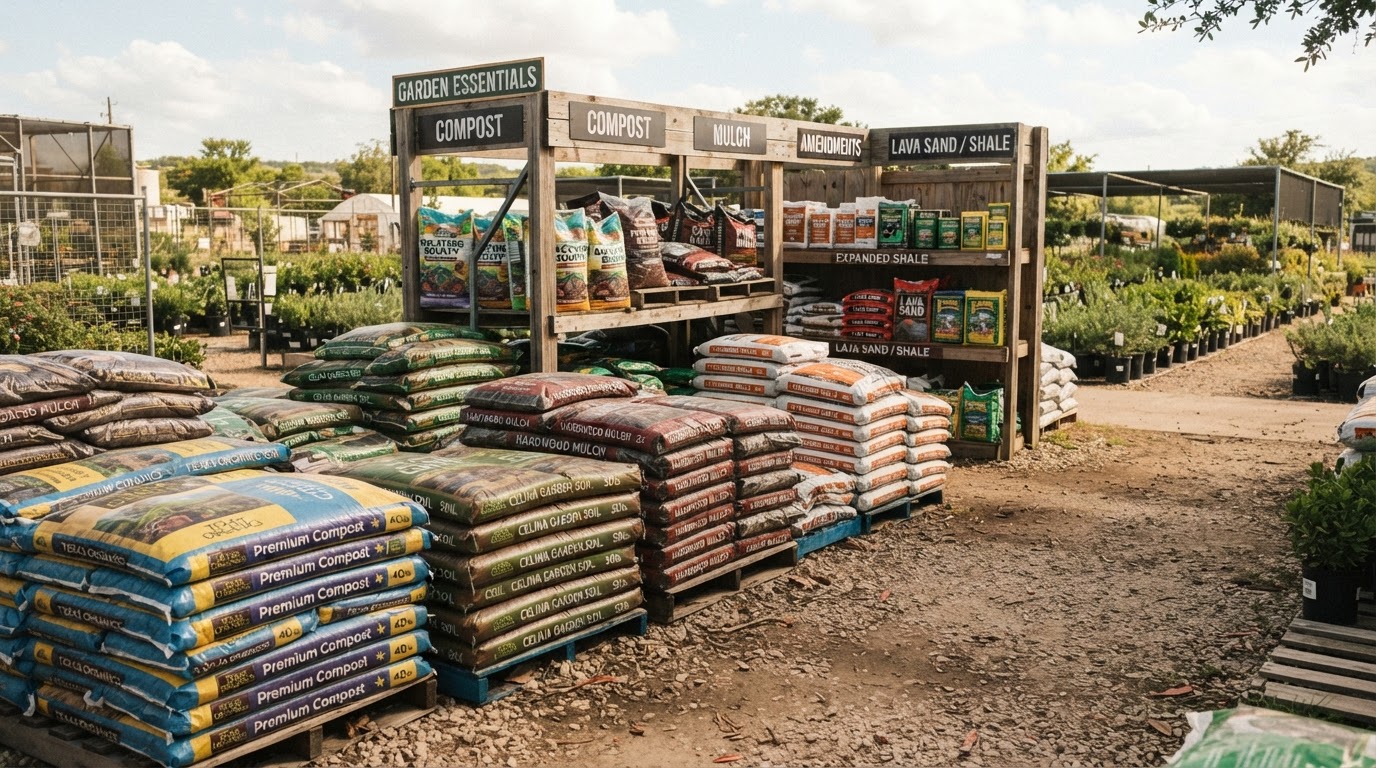
Alkalinity shapes which perennials thrive. Lavender and Russian sage often take alkaline, sharply drained conditions in stride, while acid-loving plants like hostas may need amended beds or container plantings to perform well. A two- to three-inch mulch layer, pulled away from the crown, holds moisture and cools the root zone as roots establish.
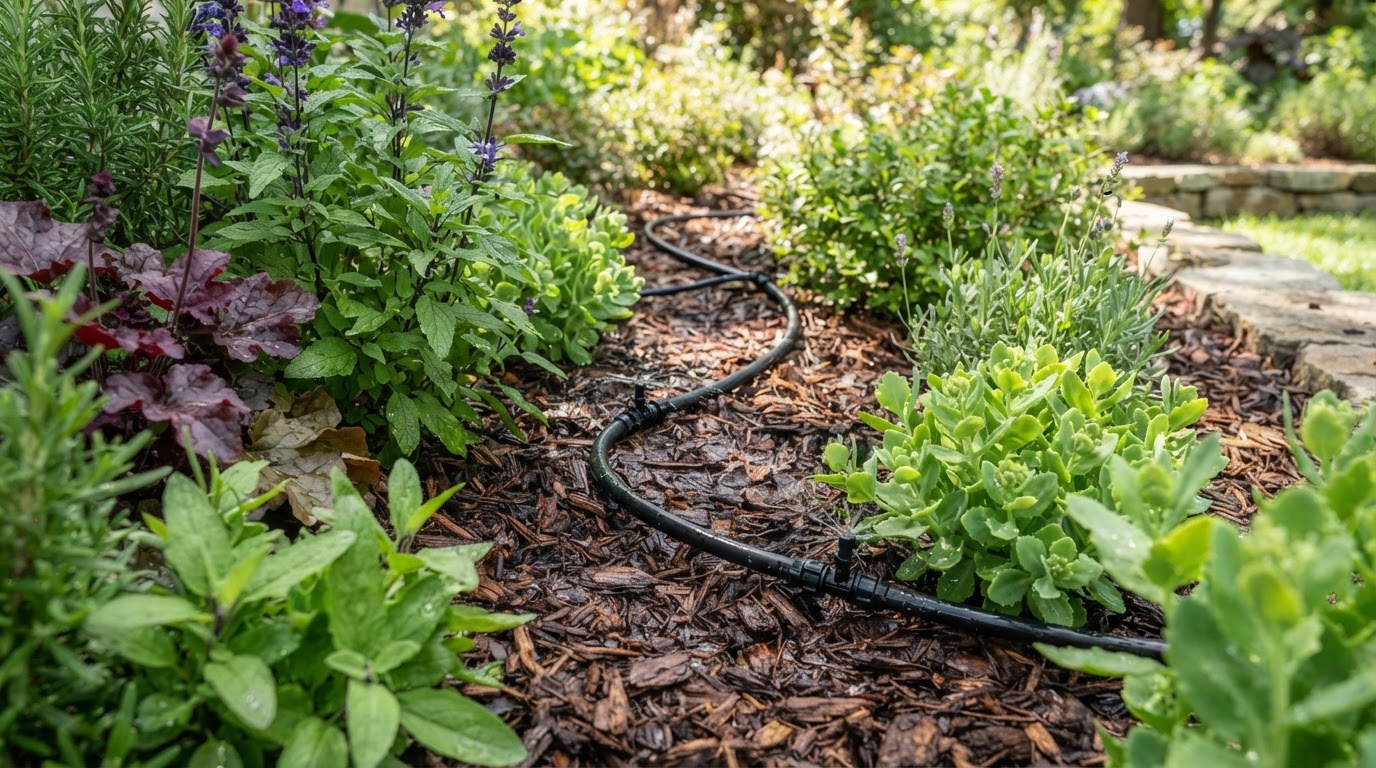
Watering & Mulching
New perennials need deep, regular watering while their roots grow into the surrounding soil. Soak the root zone slowly rather than giving light, frequent sprinkles, and check soil moisture a few inches down before watering again. A mulch layer holds that moisture and cools the roots — but keep it clear of the crowns and avoid keeping the soil constantly saturated, since water needs vary widely among perennial varieties.
Deep, infrequent watering encourages roots to grow outward, while shallow sprinkling keeps roots near the surface and makes perennials more drought-sensitive. Water at the root zone and let the area dry slightly between sessions, so roots reach down rather than staying shallow.
Check moisture by hand. If the soil is still damp a few inches down, wait; if it's dry, water deeply. Drought-tolerant perennials like salvia and Russian sage need consistent moisture their first season but far less once established, while hostas and other moisture-loving plants want steady water through every Hill Country summer. Grouping plants by water need keeps both happy in the same landscape.
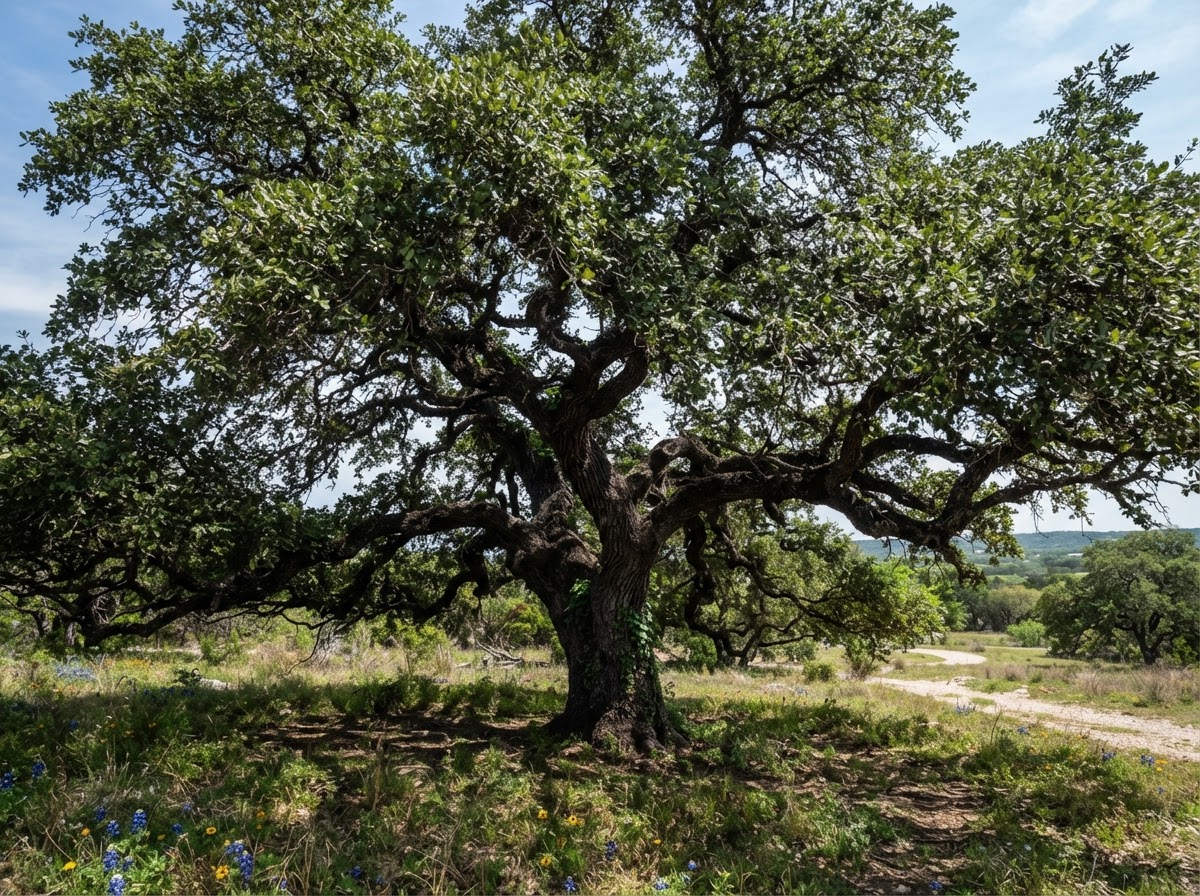
Seasonal Pruning & Long-Term Care
A little timely care keeps perennials full and blooming. Light deadheading extends the flowering season, and cutting stems back in late winter or early spring makes room for fresh growth. Many perennials go dormant in winter and benefit from a layer of mulch for freeze protection. As clumps mature, dividing overcrowded perennials every few years renews their vigor and gives you new plants for the garden.
Time care to the plant. Spring-blooming perennials are best cut back and divided after they finish flowering, while summer- and fall-blooming varieties can be tidied in late winter before new growth emerges. Removing spent flowers redirects a plant's energy into more blooms rather than seed, though some gardeners leave late seed heads for birds and winter interest.
Divide overcrowded clumps every few years. When a perennial's center thins or blooms decline, lift and divide the plant in its preferred season, replanting the vigorous outer sections. After a hard freeze, leave dormant top growth in place to protect the crown, then cut it back when new shoots appear. A maintained mulch ring keeps roots protected year after year.
Grow Something Beautiful, Season After Season
From colorful flowering perennials to attractive foliage plants, Sam's Nursery & Landscaping helps Texas Hill Country gardeners explore plants suited to their outdoor spaces — with knowledgeable guidance from a local team that understands Central Texas growing conditions.
Perennial Plant Selection
Explore flowering and foliage perennials for garden beds, borders, containers, and landscaped spaces — plants chosen to bring returning color and texture to Texas Hill Country gardens.
Texas Hill Country Gardening Knowledge
Get practical guidance for Central Texas heat, rocky limestone-influenced soils, sunlight, drainage, and seasonal planting — the factors that shape how perennials perform around Buchanan Dam.
Color That Returns
Discover perennial plants that can return in future growing seasons when properly selected and cared for — a smart investment for long-lasting garden interest.
Complete Garden Center Solutions
Pair your perennials with complementary trees, shrubs, soil, mulch, decorative pottery, and professional landscape design and installation — all from one local Hill Country team.
See Why the Texas Hill Country Trusts Sam's
Discover what customers have shared about their experiences with Sam's Nursery & Landscaping in Buchanan Dam — from plant selection to garden guidance across Burnet, Kingsland, Marble Falls, Llano, and the Texas Hill Country.
Frequently Asked Questions About Perennial Plants
Answers to common questions about buying and planting perennials at our Buchanan Dam garden center, choosing plants that return in the Texas Hill Country, and caring for them through Central Texas heat and seasonal changes.
Bring Lasting Beauty to Your Garden
Explore flowering perennials, foliage plants, and garden essentials at Sam's Nursery & Landscaping in Buchanan Dam, Texas. Visit our garden center for plant selection guidance and inspiration for your next Texas Hill Country gardening project.
8369 RM 1431 · Buchanan Dam, TX 78609 · (512) 793-2122